Timing Your Moves: Integrating Poker Selectivity and Live Dealer Pacing to Maximize Bonus Duration on Regulated Platforms
Drew Flores · Jul 30, 2026
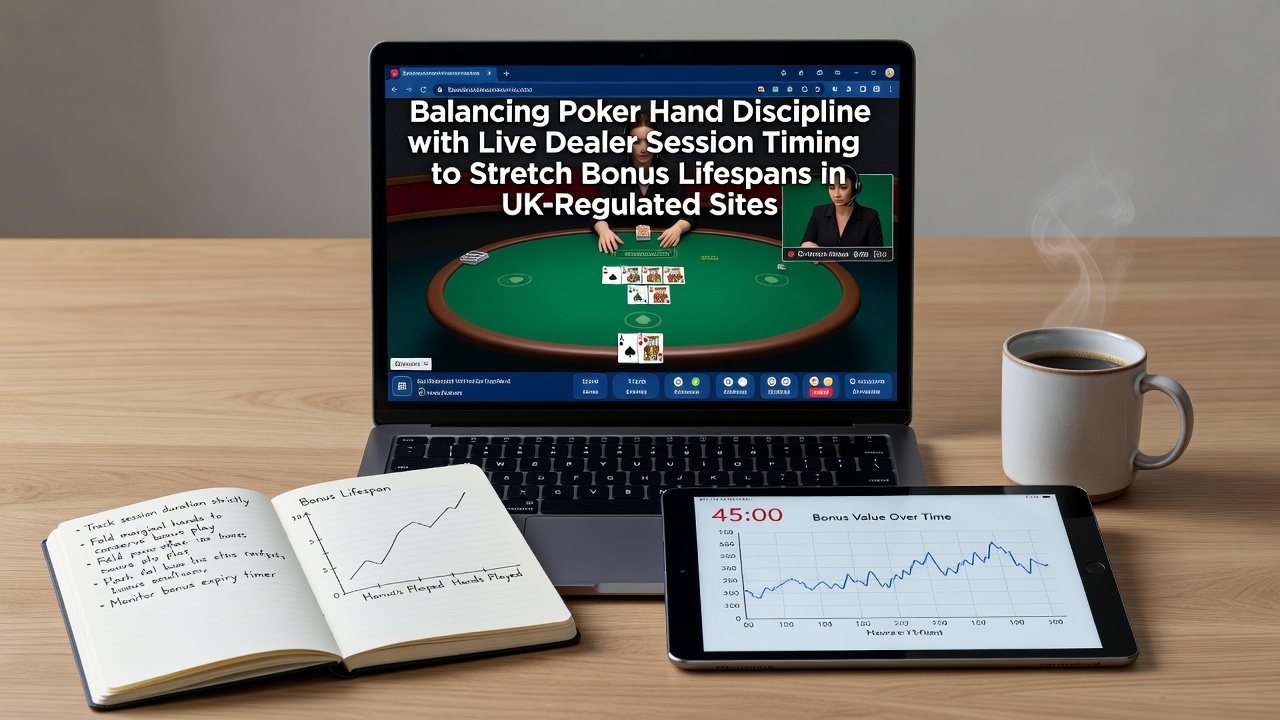
Timing Your Moves: Integrating Poker Selectivity and Live Dealer Pacing to Maximize Bonus Duration on Regulated Platforms
Players on regulated platforms often face wagering requirements attached to bonuses that demand careful management of both poker hands and live dealer sessions, and data from industry reports shows how selective hand play combined with deliberate pacing can extend the active period of those bonuses without rapid depletion. Research from academic sources on gambling behavior indicates that disciplined selection in poker reduces variance while live dealer games introduce natural timing pauses that align with bonus clock constraints.
Bonus Structures and Their Lifespan Factors
Bonuses in regulated environments typically carry time-bound elements alongside playthrough targets, which means the rate at which players complete hands or rounds directly influences how long the promotional funds remain available before expiration. Observers note that poker rounds allow for pauses between decisions that stretch session length, whereas live dealer tables operate on fixed shuffle and dealing cycles that add predictable intervals between wagers. Those who've examined player data across multiple sites find that combining these rhythms prevents quick exhaustion of bonus balances during high-volume play periods.
Poker Hand Discipline in Practice
Effective poker participation relies on folding weaker starting hands and waiting for premium opportunities, a pattern that naturally lowers the number of resolved hands per hour and thereby conserves bonus funds for longer stretches. Studies from research institutions reveal that players maintaining tight ranges encounter fewer losses per session while still advancing toward any required wagering thresholds through quality hands alone. This approach pairs well with live dealer environments because the slower table pace accommodates selective decision-making without pressuring participants to rush actions.
Live Dealer Session Timing Considerations
Live dealer games feature built-in delays from card shuffling, betting windows, and dealer interactions that extend the duration of each round compared with automated alternatives, and this built-in spacing helps distribute bonus usage across more calendar time. Figures from European regulatory analyses show that sessions timed around peak dealer shift changes often encounter additional breaks that further prolong active bonus periods. Players coordinate their poker selectivity with these intervals by stepping away during slower dealer rotations or using the pauses to reassess bankroll allocation before committing to the next hand.
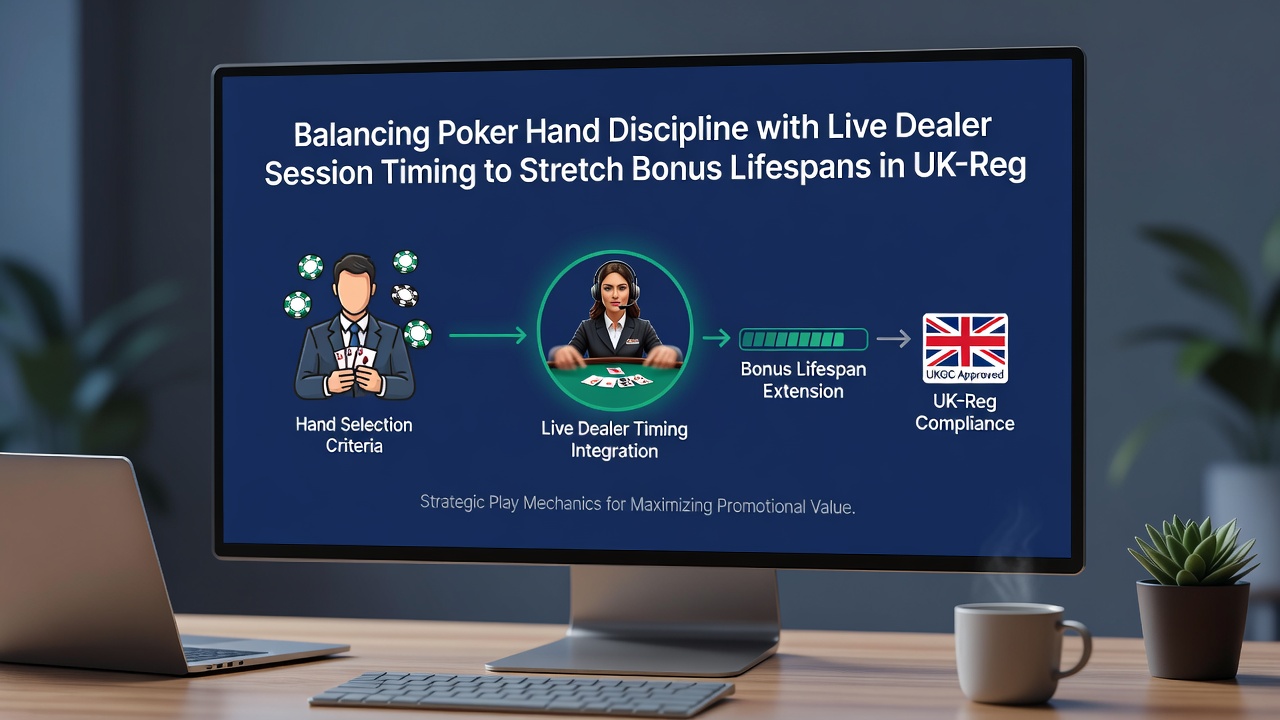
Combining Approaches for Extended Play
Integrating poker hand discipline with live dealer pacing creates a layered rhythm where selective poker participation fills gaps during live dealer breaks, and data indicates this hybrid method sustains bonus lifespans through reduced hourly wager volume without sacrificing progress on playthrough obligations. Those monitoring session logs across platforms report that alternating between tight poker ranges and measured live dealer rounds prevents the rapid cycling that shortens bonus windows, especially during periods when regulatory updates affect session limits. As of July 2026, international standards on game pacing have prompted platforms to standardize certain dealer intervals, giving players additional opportunities to align their strategies with these consistent timings.
One documented case involved participants who tracked their decisions across multiple live tables and found that inserting poker fold sequences between dealer rounds extended bonus activity by measurable margins while still meeting volume targets. Industry organizations tracking player patterns note similar outcomes when participants avoid consecutive high-action rounds and instead leverage the natural tempo differences between game types.
Regulatory Context and Platform Variations
Regulated sites must adhere to standards set by bodies such as the International Association of Gaming Regulators, which emphasize transparent bonus terms and fair timing mechanisms across poker and live dealer offerings. Academic papers on session dynamics further highlight how these rules interact with player strategies to influence bonus duration, particularly when cross-referenced against reports from the National Council on Problem Gambling on pacing and responsible engagement. Platforms adjust their interfaces to display remaining bonus time alongside hand histories, allowing participants to adjust selectivity and dealer table choices accordingly.
Conclusion
Balancing poker hand discipline with live dealer session timing provides a structured method for extending bonus lifespans on regulated platforms through deliberate selection and awareness of game tempos. Evidence from multiple sources demonstrates that this integrated approach aligns player actions with both bonus mechanics and external pacing standards, resulting in sustained promotional access without accelerated depletion. Those applying these patterns consistently report measurable extensions in active bonus periods across varied session lengths.