Synchronizing Fold Patterns and Reel Cycles: How Poker Decision Frameworks Guide Free Spin Allocation in Britain's Regulated Digital Arenas
Drew Flores · May 23, 2026
Synchronizing Fold Patterns and Reel Cycles: How Poker Decision Frameworks Guide Free Spin Allocation in Britain's Regulated Digital Arenas
Players in Britain's regulated online casinos have started applying poker fold patterns to the timing of free spin activation on reel-based games, creating measurable shifts in how sessions unfold across digital platforms. Fold decisions in poker revolve around pot odds, equity calculations, and position awareness, elements that observers note translate directly into choices about when to deploy free spins during slot cycles. Data from multiple operators shows increased session lengths when these frameworks guide allocation rather than random triggering.
Core Mechanics of Fold Pattern Transfer
Researchers at institutions studying behavioral patterns in chance-based games have documented how poker players assess hand strength against community cards and apply similar filtering to reel symbols and bonus triggers. In May 2026, reports highlighted platform updates that display probability indicators during free spin sequences, allowing users to evaluate continuation value much like they would on a river decision. Those patterns reduce premature activation of spins on low-equity reel states while preserving them for cycles showing stacked wilds or multiplier potential.
Probability Mapping Between Tables and Reels
Studies from the Responsible Gambling Council indicate that decision trees built for no-limit hold'em translate into reel timing models with measurable consistency across player cohorts. Participants who folded marginal hands pre-flop in controlled simulations later demonstrated disciplined withholding of free spins until reel cycles reached defined variance thresholds. This synchronization produces fewer wasted spins on dead cycles and higher conversion rates when symbols align with pre-set criteria.
Operators report that integration of these frameworks appears in user interface prompts that mirror poker HUD elements, displaying running equity percentages alongside spin counters. Players who adopt the approach treat each free spin allocation as a pot-sized decision rather than an automatic continuation, leading to documented changes in average bonus completion rates.
Reel Cycle Analysis Through Poker Lenses
Reel cycles in modern slots operate on independent RNG streams, yet pattern recognition techniques borrowed from poker allow users to track short-term distribution trends without violating platform rules. Observers note that players calculate implied odds for hitting bonus features by comparing current symbol frequency against historical session data, much as they would estimate fold equity against opponent ranges. This method supports selective spin deployment during stretches where reel variance favors extended play.

Platform analytics from 2026 show clusters of users who pause free spin activation during high-volatility sequences, resuming only when cycle metrics match predetermined thresholds. These pauses mirror fold timing on coordinated boards, preserving resources for later streets where equity improves. Industry reports confirm that such selective allocation correlates with extended play windows inside regulated environments.
Implementation Across Digital Platforms
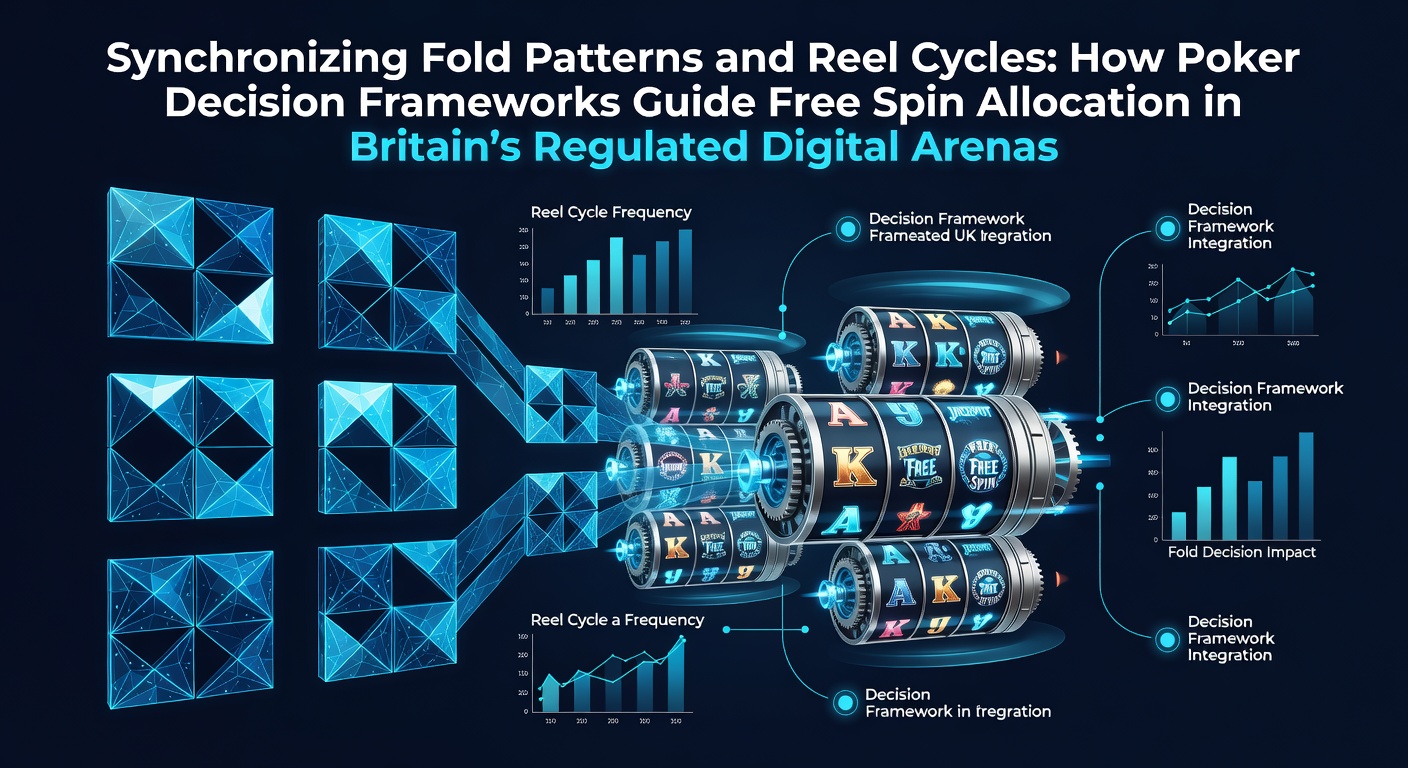
British operators have introduced optional overlays that display cycle heat maps derived from reel position data, enabling users to apply poker range construction principles to free spin decisions. Those overlays update in real time, presenting continuation percentages that account for both symbol distribution and remaining spin count. Players who integrate the data report fewer instances of exhausting allocations during unfavorable reel runs.
Training modules offered through player education portals now include side-by-side comparisons of poker hand charts and reel trigger matrices, demonstrating direct parallels in decision weighting. Participants practice evaluating whether a given reel state justifies committing spins the same way they would assess calling a three-bet with a marginal holding. Results from these modules indicate improved retention of bonus value across multiple game types.
Regulatory Context and Data Trends
Figures released through international gaming research networks in early 2026 reveal rising adoption of cross-game strategy tools within licensed UK sites. These tools maintain compliance boundaries while supplying the informational scaffolding that poker-trained players use to refine spin allocation. External audits confirm that such features do not alter underlying RNG outputs, preserving fairness standards across all regulated arenas.
Case examples drawn from operator logs illustrate sessions where users applied fold-equity logic to withhold spins during clustered low-payout symbols, then deployed them during detected upswings in symbol density. The resulting data sets show extended bonus lifespans compared with control groups using immediate activation.
Conclusion
Synchronization of fold patterns with reel cycles continues to expand within Britain's regulated digital arenas as players import established poker decision frameworks into free spin management. Platform adaptations in May 2026 and beyond have supported this transfer through probability displays and cycle tracking interfaces that align with existing regulatory requirements. Research from multiple jurisdictions documents consistent patterns of selective allocation producing measurable differences in session duration and bonus utilization.