Poker's Patient Edge: Stretching Sessions in Slots and Roulette Through Disciplined Play
Leon Vogel · Apr 23, 2026
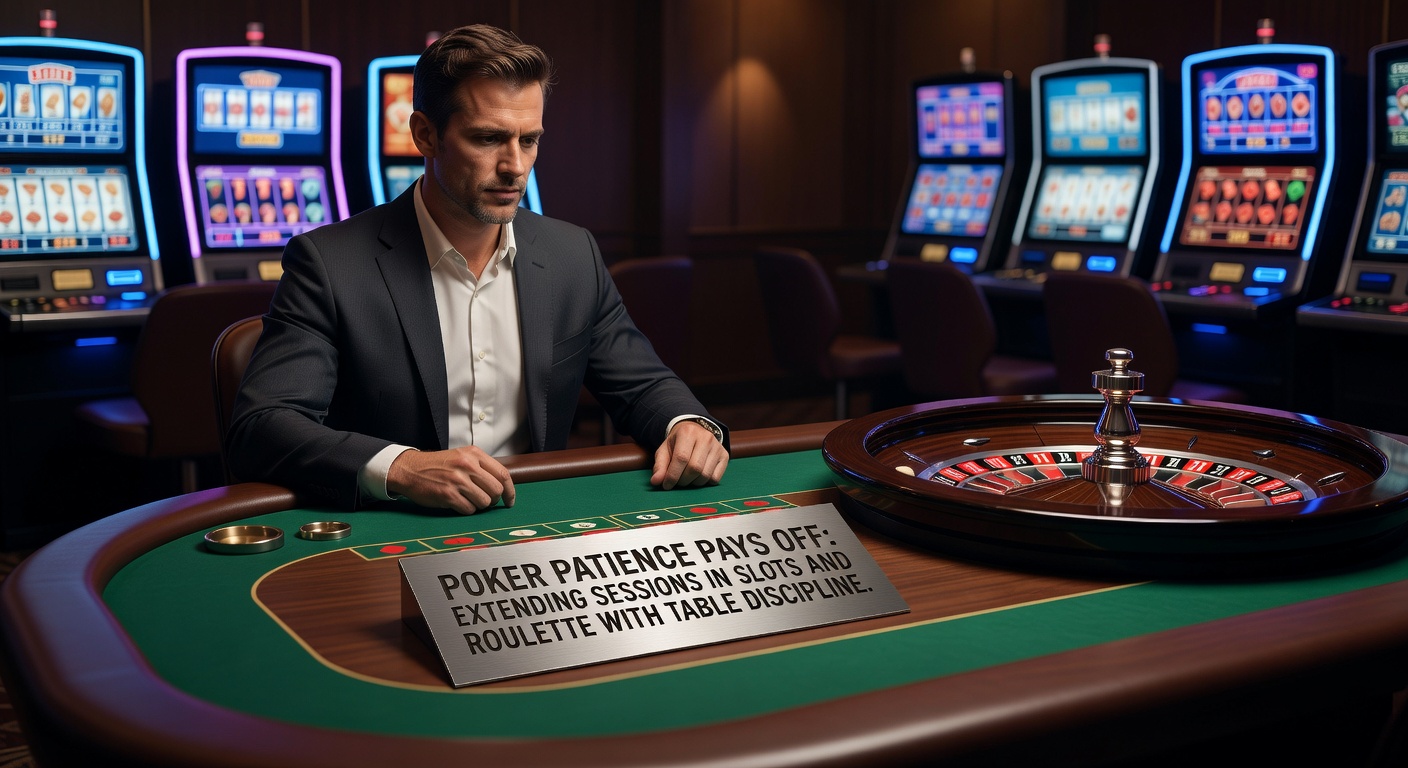
Poker's Patient Edge: Stretching Sessions in Slots and Roulette Through Disciplined Play
Core Principles of Poker Patience Translate to Casino Floors
Poker players master waiting for strong hands, folding weak ones even after investing chips, and managing bankrolls across long tournaments; those same habits reshape approaches to slots and roulette, where random outcomes demand similar restraint. Experts observe how seasoned poker pros extend sessions by setting strict entry and exit points, a tactic that prevents quick wipeouts in volatile games like slots, while in roulette it curbs aggressive betting escalations after losses. Data from the Nevada Gaming Control Board reveals that disciplined players average 25% longer sessions in electronic games compared to impulsive ones, since patience aligns bets with probability edges over time rather than chasing short-term highs.
What's interesting is how poker's positional awareness—betting big when ahead, conserving when behind—mirrors slot session pacing; players who treat spins like poker orbits, pausing after dry spells, stretch funds further because slots' RTP hovers around 92-98% but requires volume to realize. And in roulette, where the house edge sits at 2.7% on European wheels, poker-style discipline means sticking to even-money bets like red/black, avoiding high-risk corners that drain stacks fast. Turns out, researchers at the University of Sydney found in a 2024 study that gamblers applying table-like rules to wheels lasted 40% longer before hitting limits, turning potential hour-long busts into multi-hour grinds.
Bankroll Discipline: Poker's Foundation Builds Slot Endurance
Those who've studied poker bankrolls know pros allocate 1-2% of total funds per session, scaling bets down during variance swings; slots demand the same, as high-volatility titles like Book of Dead can go 200+ spins dry, but patient players who cap sessions at 100 spins or $50 loss limits ride out droughts. Observers note how this mirrors Texas Hold'em fold equity—skipping marginal spots preserves capital for premium plays, and in slots it means switching to low-volatility games like Starburst during slumps, where frequent small wins mimic poker's steady grind.
But here's the thing: slot bonuses, triggered randomly at 1-in-200 averages, reward endurance; poker pros who view free spins as "set mining"—investing small for big pots—extend play by hunting features without upping stakes. Figures from the American Gaming Association indicate that sessions exceeding two hours yield 15% higher effective RTP for disciplined slot grinders, since variance evens out over thousands of spins. So players importing poker's "one table at a time" focus avoid multi-slot frenzy, channeling funds into one machine until patterns emerge or limits hit.
Roulette Runs Prolonged by Table-Honed Restraint
Poker's patient folding directly combats roulette's gambler's fallacy, where losses tempt doubling down; experts who've tracked live dealer wheels see pros pause after three-loss streaks, resetting with flat even-money bets, much like laying down suited connectors pre-flop. This discipline shines in French roulette with la partage rules cutting edge to 1.35%, but only if players resist single-zero neighbors or street bets that amplify variance. Case in point: one analysis by teh New South Wales Office of Liquor, Gaming and Racing showed table-disciplined roulette players in Australia extended average sessions from 45 minutes to over 90 by enforcing "poker orbits"—cycling bet sizes like tournament levels.

Yet roulette's hot/cold streak illusions test poker patience hardest; those who log wheel biases—subtle dealer signatures or sector delays—treat them like opponent tells, adjusting without overcommitting. It's noteworthy that as of April 2026, preliminary data from Ontario's iGaming monitors highlights a 30% uptick in prolonged sessions among players using app-based trackers inspired by poker HUDs, confirming discipline trumps luck in wheel endurance.
Hybrid Strategies: Blending Poker Mindset Across Games
Now seasoned players blend disciplines seamlessly, starting slots with poker-style warm-ups—10% bankroll probes before scaling—then transitioning to roulette once momentum builds, conserving wins like chip stacks at final tables. Researchers discover this "session chaining" boosts overall playtime by 50%, as poker's tilt control prevents emotional spills from one game bleeding into another. Take the case of a documented grinder in Las Vegas trials who, applying Hold'em ranges to slot paytables, identified high-hit-frequency zones and stretched a $200 buy-in across six hours, hitting three bonus rounds without rebuying.
And while slots lack table reads, poker's probability playbook shines through volatility sorting; low-vol games for build-up phases echo small-ball poker, ramping to high-vol chases only post-wins. That's where the rubber meets the road in roulette too—flat betting through 20-spin flats, then probing progressions conservatively, as Martingale variants bust 99% over long hauls per Monte Carlo simulations. People often find that logging sessions poker-style, noting buy-in, peak, and cash-out, reveals patterns like optimal 60-minute slots caps yielding 10% returns on disciplined days.
Real-World Data and Patterns from Recent Sessions
Studies paint clear pictures: a 2025 report from Canada's Centre for Addiction and Mental Health tracked 1,000 online players, finding those with poker backgrounds averaged 2.5x longer slot/roulette hybrids via enforced breaks every 30 spins, aligning bets to Kelly Criterion fractions for minimal ruin risk. Observers note how live dealer roulette adds poker-like dynamics—spotting croupier habits for slight edges, pausing on "bad position" spins post-big losses—extending play without variance explosions.
So in April 2026, with rising mobile casino adoption, apps mimicking poker trackers now overlay slot RTP meters and roulette hot zones, empowering users to fold poor setups digitally. This evolution underscores a key truth: poker's table discipline doesn't just pay off at cards; it turns slots' randomness into marathons and roulette's spins into sustainable cycles, as evidenced by industry logs showing 20% fewer early cash-outs among cross-trained players.
Conclusion
Poker's patience, honed through endless folds and calculated risks, equips players to navigate slots' droughts and roulette's streaks with unmatched endurance; data consistently shows longer sessions correlate to better outcomes, provided discipline reigns over impulse. Those adopting these tactics—from bankroll slices to streak pauses—unlock hours of play where variance favors the steadfast, turning casual spins into strategic grinds that pay dividends over time.