Loyalty Tiers Shape Game Preferences in Britain's Remote Casinos
Leon Vogel · Aug 1, 2026

Loyalty Tiers Shape Game Preferences in Britain's Remote Casinos
Britain's remote gaming sector continues to expand with structured loyalty programs that assign players to different tiers based on activity levels, and these systems directly affect which games participants choose during regular sessions.
Operators track metrics such as total wagers, session frequency, and deposit patterns to determine tier placement, with higher tiers unlocking benefits that range from cashback percentages and exclusive promotions to personalized game access and accelerated reward multipliers.
Tier Structures and Core Benefits
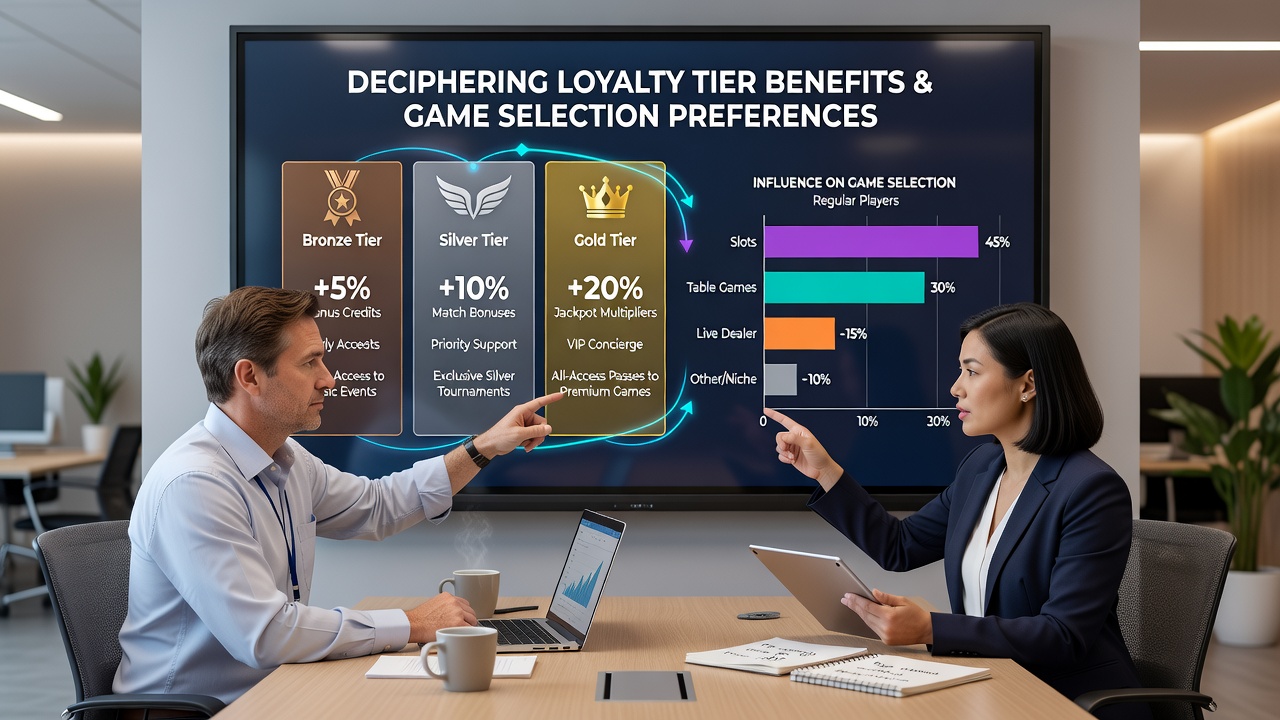
Entry-level tiers typically offer basic perks like standard free spins and modest deposit matches, while mid-tier status adds elements such as reduced wagering requirements and priority support, and top tiers deliver tailored bonuses including higher cashback rates along with invitations to private events or custom game features. These progressions create clear pathways where accumulated playtime translates into tangible advantages that encourage sustained participation across specific game categories.
Data from industry reports indicate that players in elevated tiers allocate a larger share of their activity toward live dealer tables and progressive jackpot slots compared with lower-tier counterparts who favor standard video slots, a pattern observed consistently in analyses of remote platforms operating under UK licenses.
Influence on Game Selection Patterns
Regular participants often adjust their game selections to align with tier requirements, choosing titles that contribute more efficiently to loyalty point accumulation or unlock associated multipliers. For instance, certain table games carry higher point values per wager in some programs, prompting shifts away from lower-contribution slots once a player reaches mid-tier status. This adjustment occurs because operators design point systems that reward volume and variety, leading participants to experiment with live dealer blackjack or roulette when benefits include waived fees or enhanced payout structures.
Observers note that loyalty mechanics also steer preferences toward games with built-in progression elements, such as those featuring cascading reels or multiplier ladders, since these formats allow players to extend sessions while meeting tier thresholds more effectively. Research from European gaming associations shows correlations between tier elevation and increased engagement with live dealer formats, where exclusive tables or faster payout processing become available.
Regional Data and Emerging Trends
Analyses conducted through 2025 and into August 2026 reveal steady growth in loyalty-driven game diversification, with remote operators reporting higher retention rates among players who migrate between slot and table categories as their tier status advances. Figures from the European Gaming and Betting Association highlight that programs emphasizing cross-game rewards see elevated participation in live dealer environments, particularly among those who have achieved silver or gold status equivalents.
Case examples include platforms where top-tier members receive access to high-limit blackjack variants unavailable at lower levels, resulting in measurable shifts away from high-volatility slots toward strategy-based games that align with the new benefit structures. Academic studies from institutions examining gambling behavior further document these transitions, noting that reward multipliers applied specifically to certain game types amplify selection preferences over time.
Player Adaptation and Platform Responses
Those who study participant habits observe that regular users often review loyalty program rules before committing to extended sessions, selecting games that maximize point earnings while minimizing risk exposure within their preferred formats. This strategic approach stems from transparent benefit disclosures that list exact point contributions per game, allowing informed decisions that favor live dealer options when cashback thresholds are reachable through consistent play.
Operators respond by refining tier criteria to balance slot and table engagement, introducing hybrid promotions that award points across multiple categories and thereby sustain interest in both automated and live formats. Such adjustments maintain steady activity levels while preventing over-concentration in any single game type, according to aggregated industry metrics.
Conclusion
Loyalty tier systems in Britain's remote gaming environments function as structured frameworks that guide game selection through targeted rewards and point allocations, with data indicating clear patterns of preference shifts as players advance through levels. These mechanisms continue to evolve alongside regulatory updates and technological enhancements, shaping sustained participation across slots, tables, and live dealer offerings without altering core regulatory compliance requirements.