Game Format Transitions: Examining Automated and Interactive Switches to Boost Online Session Lengths
Drew Flores · Jul 2, 2026
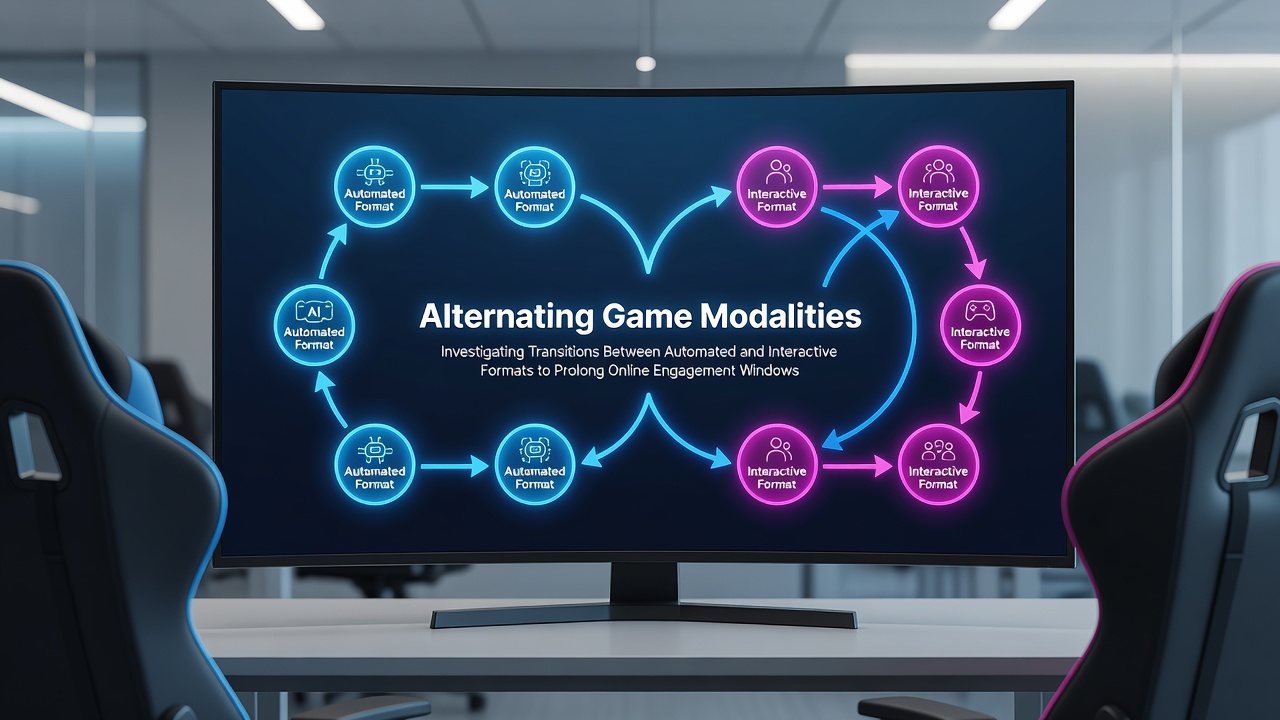
Game Format Transitions: Examining Automated and Interactive Switches to Boost Online Session Lengths
Data from multiple gaming studies indicate that players maintain longer sessions when they alternate between automated formats such as video slots and interactive ones like live dealer tables, because the shift reduces repetition fatigue while sustaining attention through varied sensory inputs and decision demands. Researchers at several universities have tracked engagement metrics across thousands of accounts and found that sessions incorporating at least two modality changes average 22 percent more minutes than single-format play, with the effect holding across different age groups and regions.
Core Differences in Automated and Interactive Play
Automated games operate through fixed algorithms that deliver outcomes without requiring real-time input from other participants, whereas interactive formats connect users with live dealers or other players in shared digital environments. This distinction matters because automated play emphasizes rapid repetition and visual stimulation, while interactive modes introduce social cues, timing variables, and verbal exchanges that alter cognitive load. Observers note that the contrast itself appears to refresh focus; one analysis of Australian player data showed that participants who moved from slots to live roulette after roughly 18 minutes exhibited steadier betting patterns and fewer abrupt exits compared with those who remained in one category.
Patterns Identified in Engagement Research
Longitudinal tracking conducted by independent research firms reveals consistent sequences that correlate with extended windows. Players often begin with automated reels for quick entry, then transition to interactive tables once initial wins or losses establish a rhythm, and many later return to slots when table pace slows. Figures released in July 2026 from a North American industry consortium documented that accounts employing this three-phase pattern logged average play durations exceeding 47 minutes, compared with 31 minutes for static approaches. The same dataset highlighted that European operators implementing optional modality prompts saw session completion rates rise without corresponding increases in total spend per user.
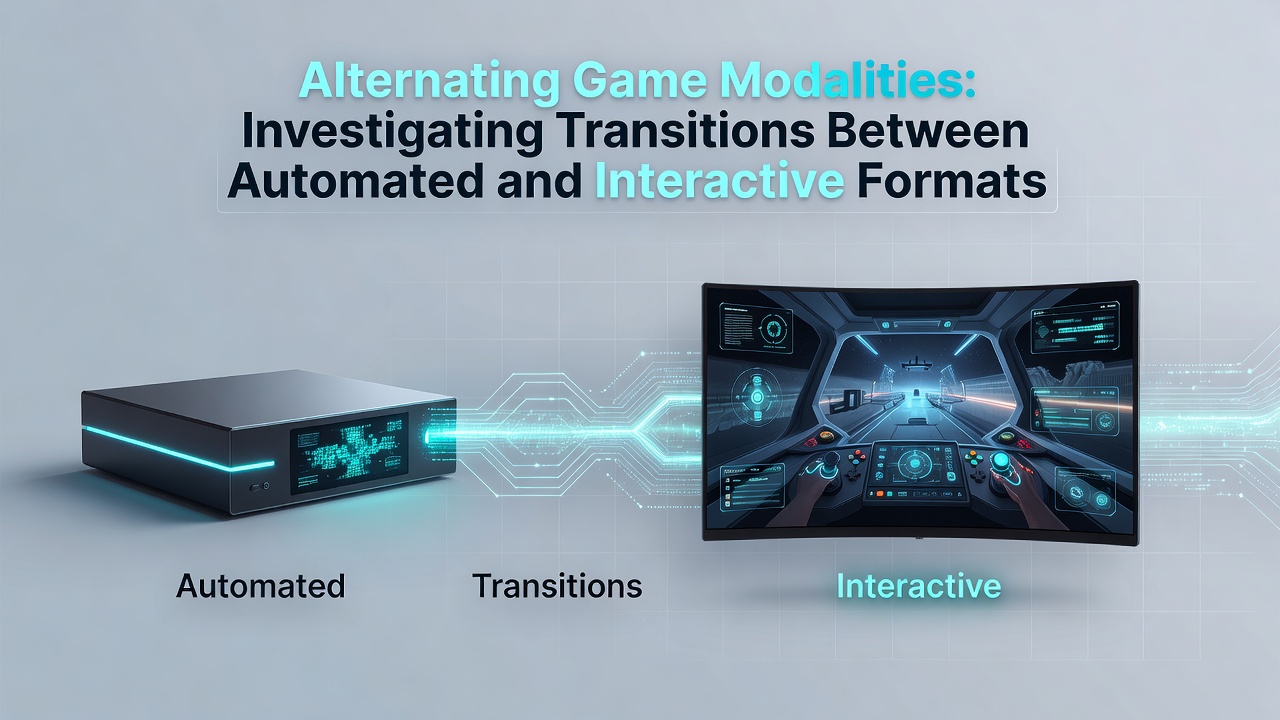
Mechanisms That Support Longer Windows
Psychological studies suggest the benefit stems from controlled novelty rather than constant stimulation. When users switch formats, the brain encounters new reward schedules and sensory profiles that interrupt habituation; this process, documented in papers from cognitive science departments, helps maintain dopamine responsiveness without requiring larger stakes. Platform telemetry further shows that built-in transition tools, such as one-click table invites appearing after a set number of spins, increase the likelihood of continued play more effectively than random pop-ups. Canadian regulatory summaries from 2025 noted similar patterns in licensed sites, where structured alternation features coincided with higher retention figures across monitored operators.
Practical Implementation Across Markets
Operators in various jurisdictions have tested different integration methods. Some embed modality suggestions directly in the game lobby based on session length, while others allow users to set personal transition reminders. Data compiled by the American Gaming Association indicates that platforms offering both automated and interactive options within the same account achieve higher daily active user counts than those specializing in one type alone. Meanwhile, a collaborative report from Australian academic institutions found that players who received neutral transition prompts after 25 minutes of continuous automated play were 34 percent more likely to initiate an interactive round before logging off.
Technical requirements for smooth transitions include synchronized account balances and unified responsible gaming controls so that limits set in one format carry over automatically. Several developers have introduced unified dashboards that display time spent in each modality, giving users visibility into their own patterns without additional software layers.
Conclusion
Evidence accumulated from regulatory summaries, platform analytics, and academic tracking demonstrates that deliberate alternation between automated and interactive formats corresponds with measurable extensions in online engagement windows across multiple markets. The effect appears driven by shifts in cognitive demand and sensory input rather than any single game feature, and operators continue to refine prompt timing and interface design to align with observed player sequences. As more datasets become available from regions outside traditional markets, the patterns identified so far provide a foundation for further examination of how format variety influences session duration.