Examining Overlaps Between Roulette Pattern Observation and Poker Selection Tactics in UK Digital Gaming Bonuses
Leon Vogel · Jun 6, 2026
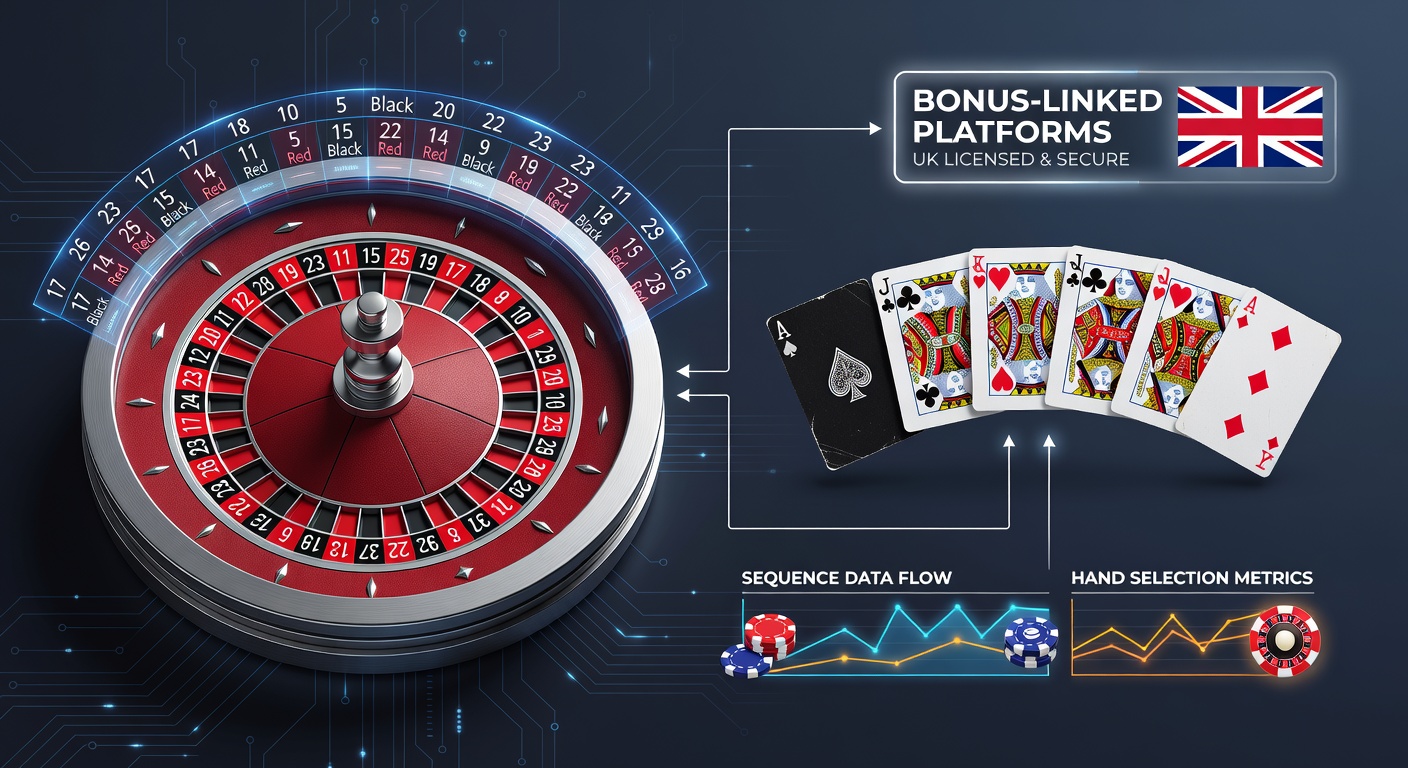
Examining Overlaps Between Roulette Pattern Observation and Poker Selection Tactics in UK Digital Gaming Bonuses
UK digital platforms that tie player rewards to bonus structures often feature integrated game libraries where roulette sequence tracking meets poker hand selection during the same session windows, and operators design these environments to manage player flow across table variants while meeting compliance standards set by various international oversight bodies.
Platform Mechanics Supporting Cross-Game Tracking
Digital systems in these UK environments allow users to log roulette outcomes through built-in history panels that display recent spins in sequences, and at the same time the interfaces present poker variants with hand-ranking overlays that update based on community cards dealt in real time. Players navigate between these sections without leaving the bonus-eligible area, which creates natural points where sequence data from one game informs selection choices in the other, especially when bonus wagering requirements span multiple titles.
Research from the Australian Gambling Research Centre indicates that cross-game engagement patterns appear frequently in bonus-linked sessions, where participants review streak indicators on roulette wheels before shifting to poker tables for hand evaluations that align with remaining playthrough targets. Data shows these transitions occur most often during periods when operators refresh daily bonus pools, and figures reveal elevated activity in June 2026 following platform updates that streamlined navigation between live dealer roulette and video poker formats.
Sequence Monitoring Techniques in Roulette Modules
Operators present roulette wheels with digital overlays that highlight repeating patterns such as color alternations or number groupings, while players apply personal logging methods to note frequencies across dozens of spins. These tools operate alongside bonus meters that track cumulative stakes, allowing sequence observations to influence when participants decide to lock in certain bet sizes before moving toward poker selections that carry different volatility profiles.
According to reports compiled by the National Center for Responsible Gaming in the United States, users who combine sequence review with hand selection often maintain separate tracking sheets that transfer insights across games, and this practice surfaces in environments where bonuses require activity across both roulette and poker categories. Platforms incorporate RNG certification details that confirm outcome independence, yet the tracking features remain available as optional player aids without altering the underlying random processes.
Poker Hand Selection Within Shared Bonus Frameworks
Bonus structures on these platforms frequently categorize poker hands by payout multipliers that interact with accumulated roulette stakes, so participants evaluate starting hands against remaining wagering thresholds. Selection criteria shift when prior roulette sequences suggest particular betting rhythms, leading users to favor tighter ranges in poker rounds that follow extended even-money streaks on the wheel.
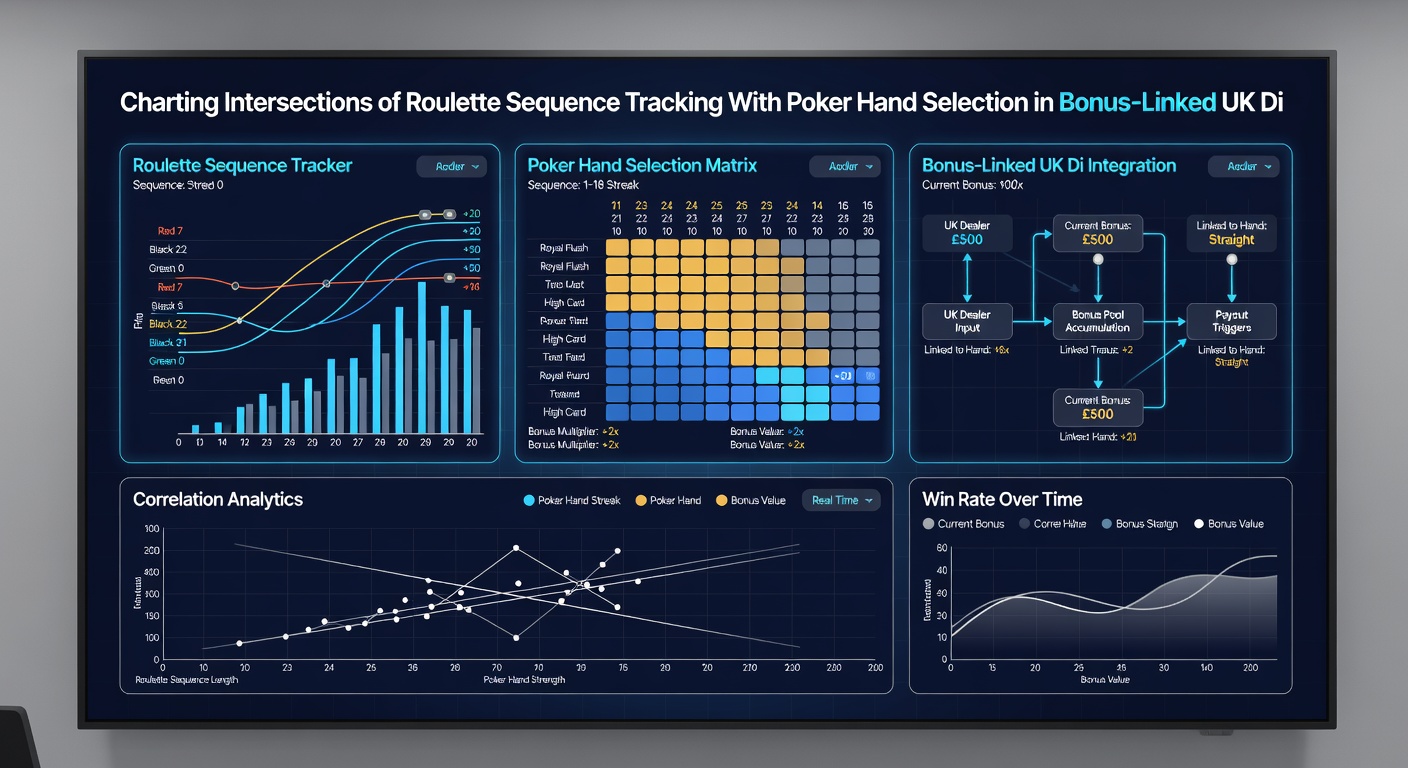
One documented case from Canadian provincial gaming data illustrates how players adjusted poker aggression levels after noting clustered zero appearances in roulette histories, and this adjustment aligned with bonus completion targets that rewarded consistent table presence. Systems log these adjustments automatically for compliance reviews, while external audits from bodies like the Gambling Regulatory Authority in Malta confirm that hand-selection interfaces display accurate probability information independent of external sequence inputs.
Regulatory Context and Data Patterns Through Mid-2026
International comparisons highlight how UK platforms align bonus mechanics with standards from multiple jurisdictions, including those outlined in reports by the Victorian Commission for Gambling and Liquor Regulation in Australia. These alignments ensure that sequence tracking tools and poker interfaces do not create misleading expectations, and statistics indicate steady growth in multi-game bonus participation during the first half of 2026. Observers note that June 2026 updates introduced enhanced session timers that display combined playtime across roulette and poker, helping users monitor total activity within single bonus cycles.
Industry analyses from the European Gaming and Betting Association further show that platforms maintain separate ledgers for each game type even when bonuses link them, which prevents direct carryover of sequence data into poker algorithms. This separation supports transparent operations while allowing players to apply their own analytical approaches across the two formats during extended sessions.
Conclusion
Digital environments in the UK continue to evolve interfaces that support simultaneous engagement with roulette sequence observation and poker hand evaluation under unified bonus conditions. Available data from varied regulatory and research sources confirms consistent patterns of cross-game movement without any alteration to certified random outcomes. As platforms refine these features through 2026, the intersections remain centered on player-initiated tracking methods rather than system-driven predictions, maintaining clear distinctions between entertainment tools and game mechanics.