Charting loyalty tier escalations across multi-variant sessions in Britain's regulated digital arenas
Leon Vogel · Aug 6, 2026
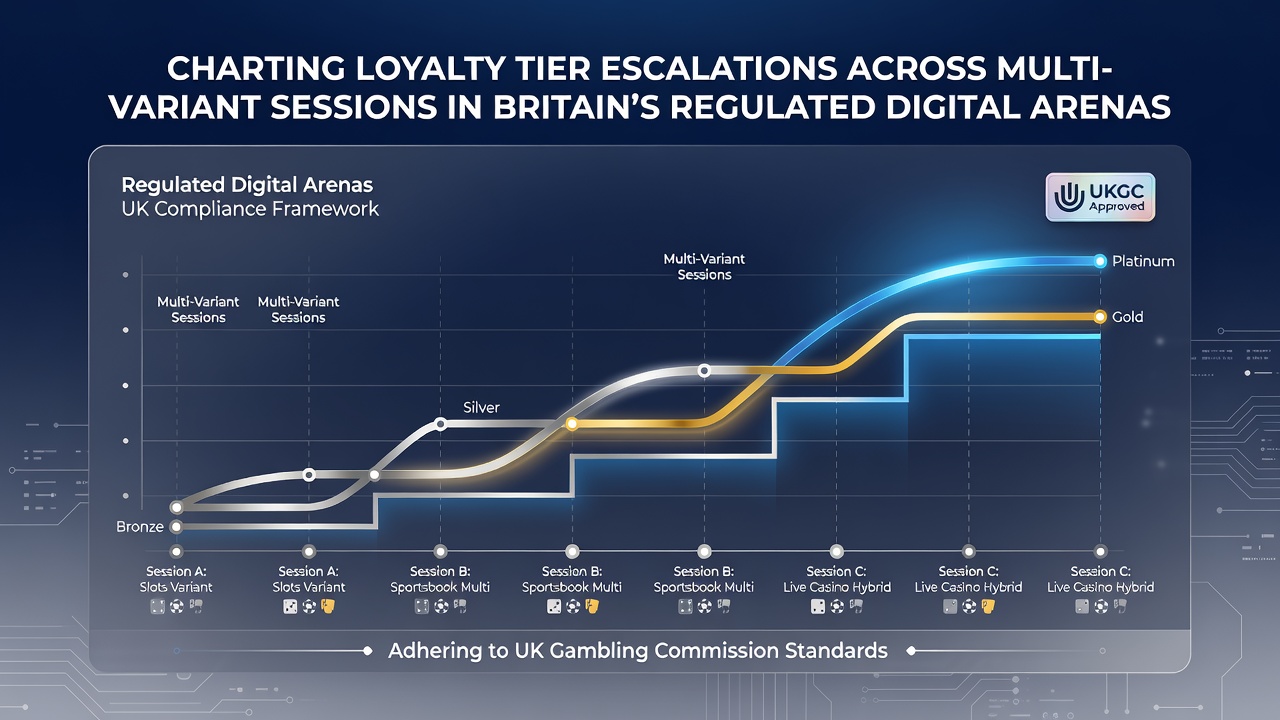
Charting Loyalty Tier Escalations Across Multi-Variant Sessions in Britain's Regulated Digital Arenas
Loyalty programs in Britain's regulated online gambling sector operate through structured point accumulation systems that reward consistent play across multiple game categories, and these frameworks track escalations based on session volume, game variety, and spend patterns. Players advance through tiers by generating points from slots, table games, and live dealer variants, with each category contributing differently to overall progression metrics. Data from industry reports indicates that multi-variant sessions, where participants switch between game types within a single login period, accelerate tier movement compared to single-game marathons. Tiers typically include entry-level bronze or silver stages that grant basic perks such as cashback percentages and bonus credits, while higher gold, platinum, and diamond levels unlock personalized account managers, higher withdrawal limits, and exclusive event invitations. Points calculation often weights slots at a standard rate of one point per pound wagered, whereas table games like blackjack may award points at adjusted multipliers depending on the operator's formula, and live dealer sessions sometimes include additional multipliers tied to table minimums. Observers note that this weighting encourages players to diversify their activity rather than focus on one format.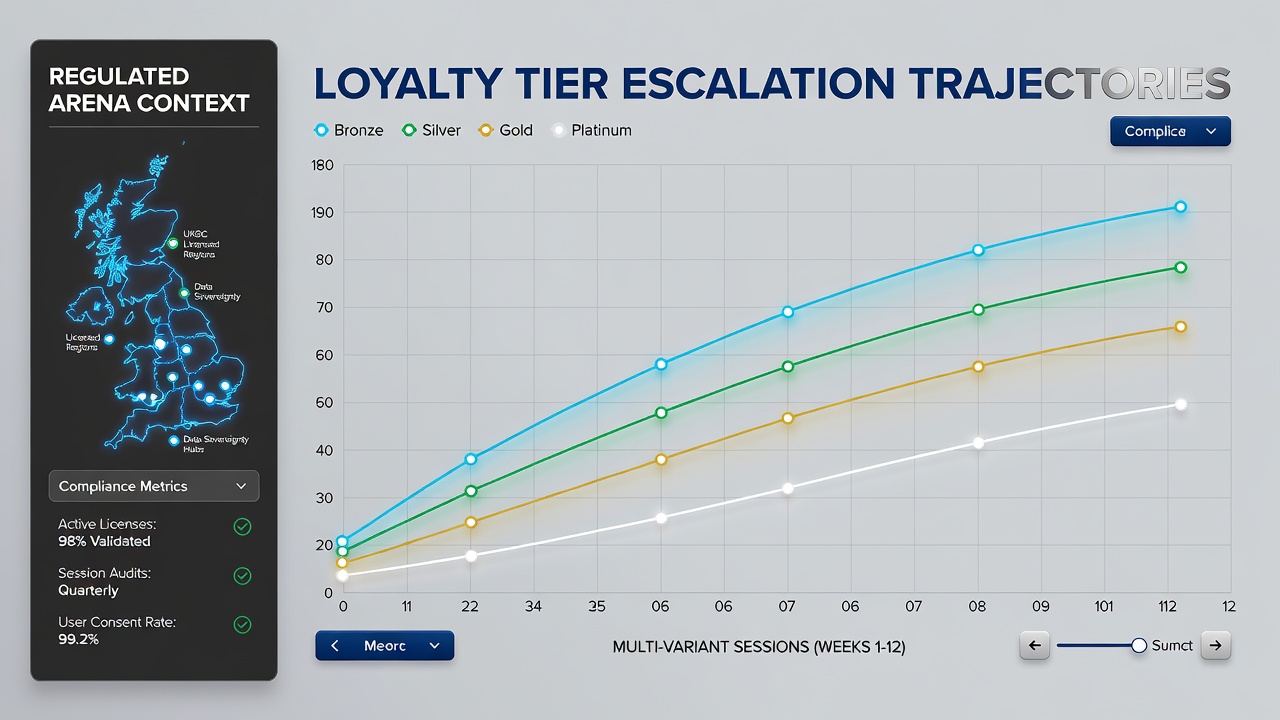
Loyalty programs in Britain's regulated online gambling sector operate through structured point accumulation systems that reward consistent play across multiple game categories, and these frameworks track escalations based on session volume, game variety, and spend patterns. Players advance through tiers by generating points from slots, table games, and live dealer variants, with each category contributing differently to overall progression metrics. Data from industry reports indicates that multi-variant sessions, where participants switch between game types within a single login period, accelerate tier movement compared to single-game marathons. Tiers typically include entry-level bronze or silver stages that grant basic perks such as cashback percentages and bonus credits, while higher gold, platinum, and diamond levels unlock personalized account managers, higher withdrawal limits, and exclusive event invitations. Points calculation often weights slots at a standard rate of one point per pound wagered, whereas table games like blackjack may award points at adjusted multipliers depending on the operator's formula, and live dealer sessions sometimes include additional multipliers tied to table minimums. Observers note that this weighting encourages players to diversify their activity rather than focus on one format.Session Diversity and Point Accumulation Patterns
Multi-variant play involves alternating between automated slots and interactive tables within the same account session, which research from gaming analytics firms shows can boost cumulative points by 15 to 25 percent over equivalent single-category time. A player starting with 200 spins on a video slot machine might earn 200 base points, then transition to 50 hands of live roulette to add another 75 points under certain rate structures, pushing the total closer to the next threshold. Figures from European betting associations reveal that such mixed sessions occur most frequently during evening hours, with data collected between 2024 and 2025 highlighting a 12 percent rise in cross-category engagement among accounts aged six months or older. Operators maintain detailed logs that feed into automated tier review cycles, often conducted monthly, where algorithms assess total points, session frequency, and game mix. Those who've studied operator dashboards report that accounts demonstrating at least three distinct game categories per week reach gold tier 30 percent faster than those limited to slots alone. This pattern holds across multiple platforms licensed under the same overarching rules, though exact thresholds vary by brand.