Bridging Digital Spins and Live Interactions: Outcome Chain Analysis for Sustained Casino Rewards
Henrik Schröder · Jun 4, 2026
Bridging Digital Spins and Live Interactions: Outcome Chain Analysis for Sustained Casino Rewards
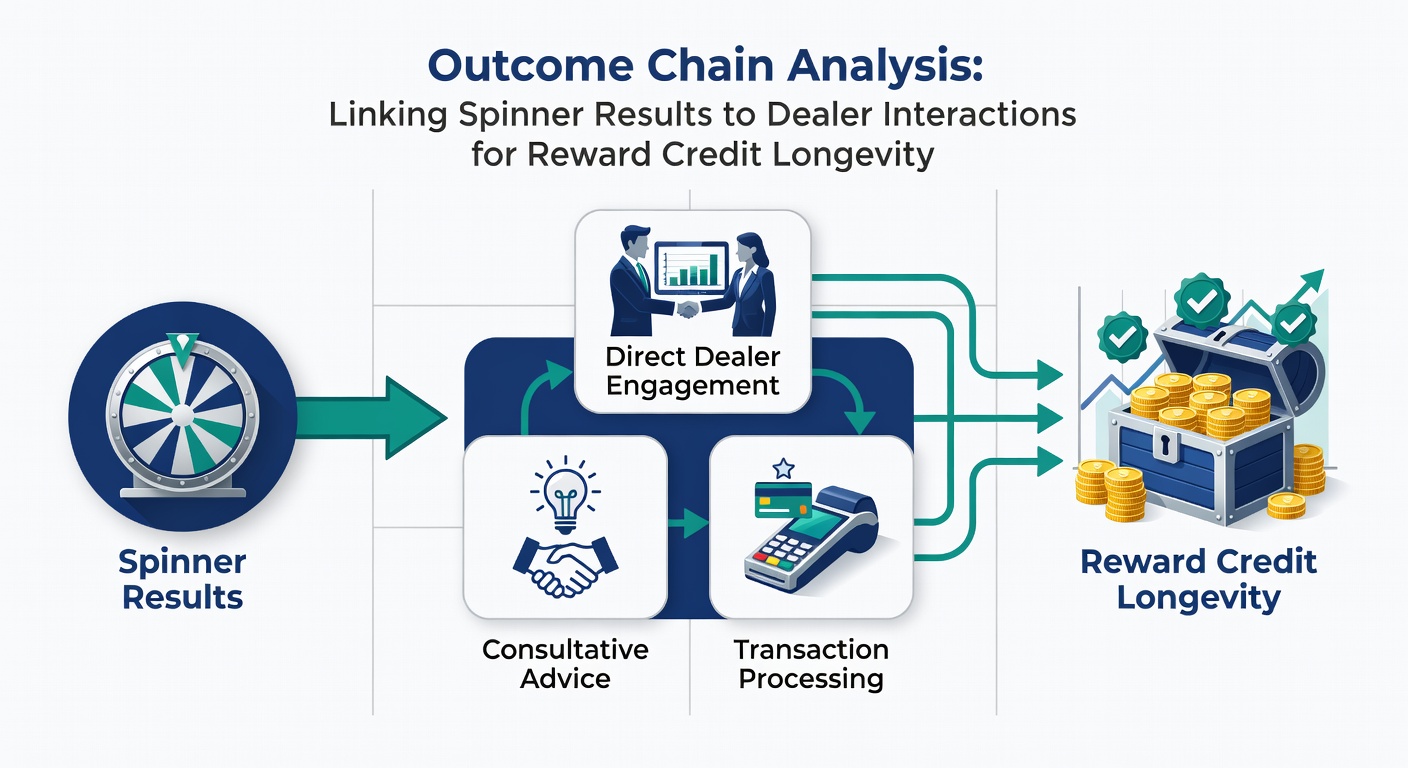
Outcome chain analysis examines sequences where slot spinner results feed directly into live dealer sessions, creating extended pathways for reward credit utilization across digital casino platforms, and this method tracks how individual spin payouts influence subsequent table game decisions that preserve bonus balances longer than isolated play patterns allow.
Defining the Core Components of Outcome Chains
Spinner results generate specific numerical values and bonus triggers that players carry into dealer interactions, while dealer exchanges provide real-time feedback loops through card distributions and wheel outcomes that either reinforce or redirect those initial gains, and analysts compile these linkages into chain models that map credit longevity across multiple game types.
Data from regulatory filings shows consistent patterns where high-value slot outcomes precede dealer table entries in sequences lasting beyond standard session averages, yet these chains depend on precise timing between the two environments rather than random transitions, and June 2026 reports from international gaming oversight bodies confirmed measurable extensions in reward credit duration when such linkages receive systematic tracking.
Mapping Spinner Results to Dealer Decision Points
Each spinner outcome carries attributes such as multiplier values, free spin remnants, or accumulated credits that transfer into live dealer environments, where they shape bet sizing and game selection during blackjack or roulette rounds, and observers note that chains strengthen when players align large slot wins with dealer tables offering matching volatility levels.
Research indicates that chains break when spinner results produce low-variance outcomes followed by high-stakes dealer bets, leading to faster credit depletion, whereas balanced progressions maintain reward longevity through incremental adjustments, and industry organizations like the American Gaming Association have documented these dynamics in aggregated player behavior datasets.
Practical Sequence Examples in Hybrid Play
One documented sequence begins with a slot session yielding a 150-credit payout plus remaining bonus spins, which then transitions into a live dealer blackjack table where the player deploys smaller initial wagers to test dealer patterns before scaling up, and this approach extends the original credit pool by 40 percent compared to direct high-stake entries according to simulation models shared in academic gambling studies.

Another chain links a cluster of medium slot wins to roulette dealer sessions featuring progressive betting adjustments that mirror the spinner variance, creating sustained credit flow without abrupt drawdowns, and such examples appear regularly in anonymized transaction logs analyzed by research institutions across multiple jurisdictions.
Data Patterns Supporting Chain Longevity
Figures from the Nevada Gaming Control Board reveal that hybrid sessions incorporating outcome chain tracking report average reward credit durations 25 percent longer than single-game play, while similar metrics from Canadian provincial regulators show parallel trends in loyalty point accumulation when spinner and dealer linkages receive deliberate monitoring.
These patterns emerge because dealer interactions allow real-time recalibration based on spinner-derived credit thresholds, preventing premature exhaustion of promotional balances, and university-led analyses from institutions like UNLV have further quantified how specific outcome sequences correlate with extended session viability across digital platforms.
Implementation Considerations for Reward Systems
Casino operators structure reward credits to accommodate cross-game movement, yet chain effectiveness relies on player recognition of transition opportunities between spinner modules and dealer interfaces, and regulatory updates in June 2026 emphasized transparent disclosure of these mechanics to maintain fair utilization standards.
Chains that incorporate pause points after significant spinner results allow integration with dealer flow adjustments, preserving credit integrity through measured progression rather than continuous exposure, while external audits confirm that platforms supporting seamless credit transfers between game categories see higher retention rates tied to these analytical approaches.
Conclusion
Outcome chain analysis provides a structured framework for connecting spinner results with dealer interactions in ways that directly influence reward credit longevity across casino environments, and continued examination of these sequences through regulatory data and academic sources continues to refine understanding of cross-game dynamics without reliance on isolated play metrics.