Aligning Progressive Jackpot Systems with Strategic Hand Selection in Hybrid UK Digital Poker Sessions
Henrik Schröder · Aug 24, 2026
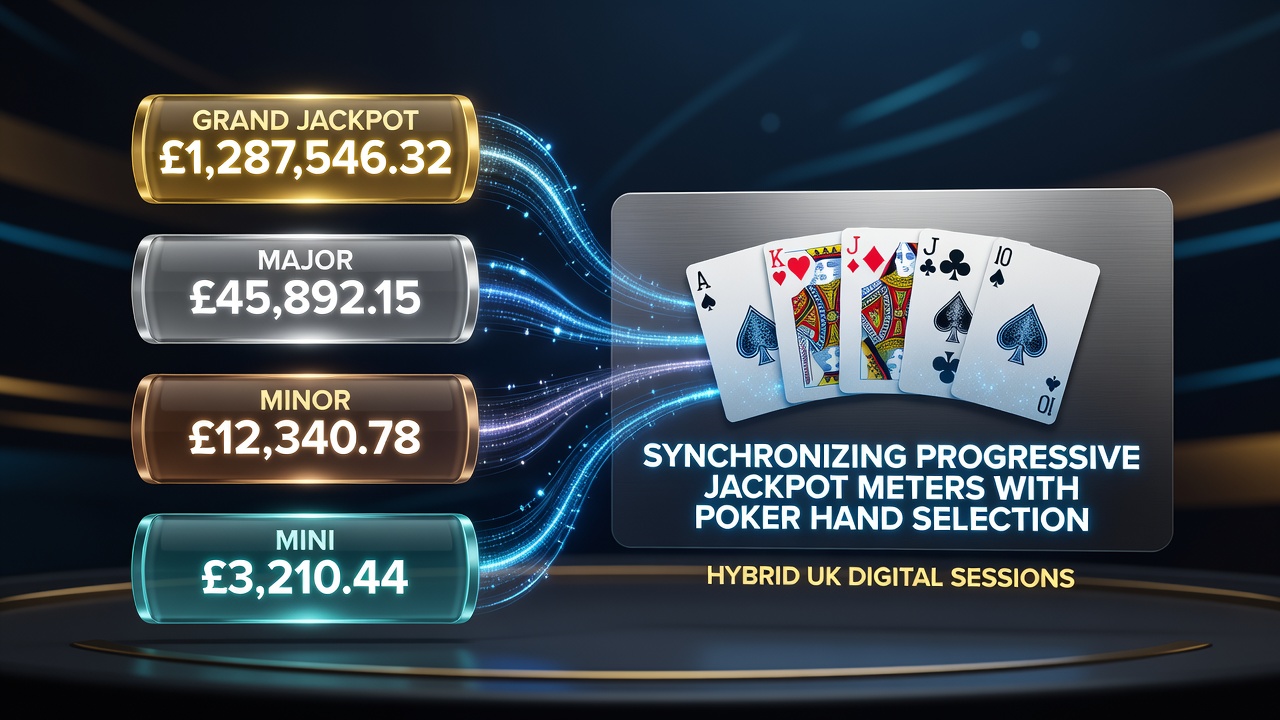
Aligning Progressive Jackpot Systems with Strategic Hand Selection in Hybrid UK Digital Poker Sessions
Hybrid UK digital sessions combine online poker interfaces with progressive jackpot mechanisms that update in real time based on hand selections across multiple platforms, and system operators achieve this alignment through dedicated middleware that processes each dealt hand while adjusting meter values accordingly. Data from the National Indian Gaming Commission indicates that precise timing between hand evaluation and meter increments prevents discrepancies in prize pools during peak usage periods.
Technicians configure the synchronization protocols so that every qualifying poker hand triggers an immediate meter adjustment without lag, whereas non-qualifying hands leave the display unchanged until the next cycle completes. Observers note that this process relies on standardized APIs which connect the poker software directly to the jackpot controller, and such connections allow for seamless data exchange across hybrid environments where players switch between digital tables and slot-linked progressives.
Technical Components of Meter Synchronization
Each hybrid session employs a central server that logs hand outcomes in sequence, and the system then calculates whether the selected cards meet predefined jackpot thresholds before broadcasting updates to connected meters. Researchers at the University of Nevada, Las Vegas have documented similar architectures in controlled tests where synchronization accuracy reached 99.8 percent when latency stayed below 50 milliseconds.
Software modules handle the poker hand parsing step by extracting rank and suit data from the game engine, after which algorithms compare those values against jackpot criteria stored in a secure database. And because multiple players participate simultaneously in these sessions, the server queues incoming hands to avoid conflicts while maintaining continuous meter progression across all linked terminals.
Network stability plays a central role in maintaining alignment because packet loss or bandwidth fluctuations can interrupt the data flow between the poker client and the jackpot backend. Operators deploy redundant connections and failover mechanisms to address these risks, and testing in August 2026 is scheduled to evaluate enhanced error-correction routines designed for higher-volume hybrid traffic.
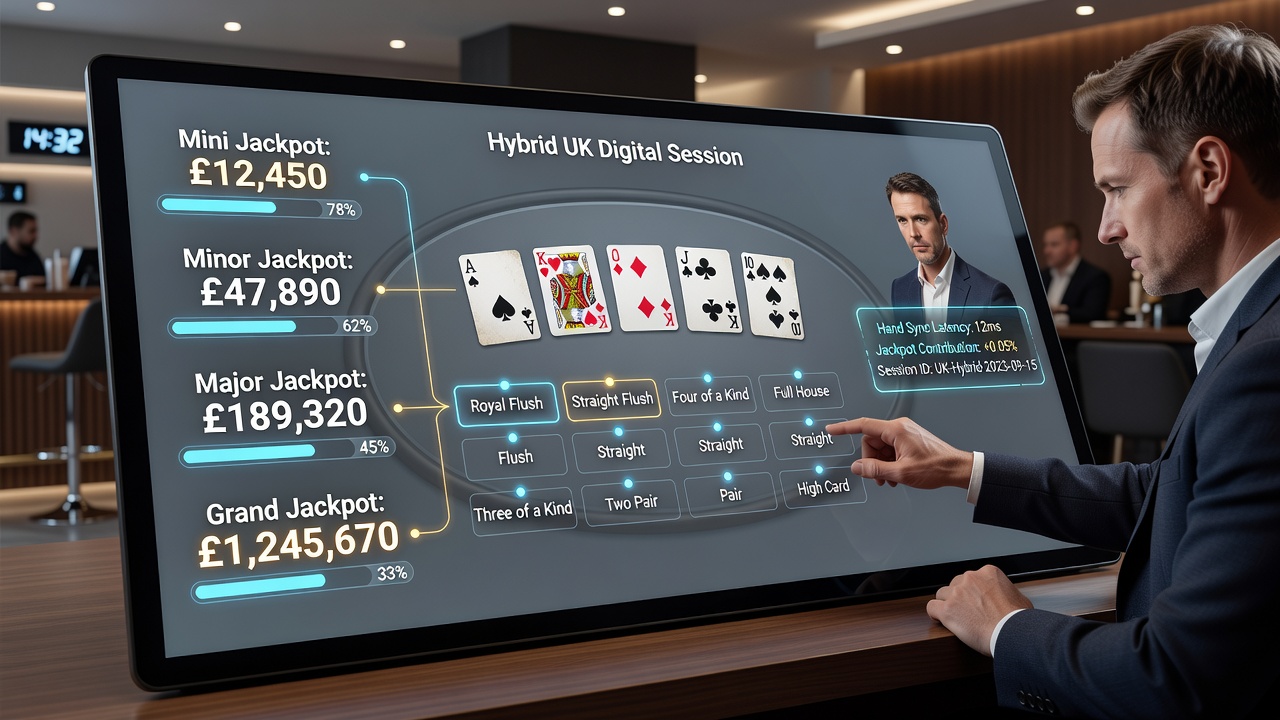
Hand Selection Criteria and Their Impact on Jackpot Updates
Players select hands according to standard poker rules, yet only specific combinations such as royal flushes or four-of-a-kind trigger meter contributions in most hybrid setups. The synchronization engine evaluates each hand immediately upon reveal, then applies a percentage of the wager to the progressive pool when the criteria match, which keeps displays current without manual intervention.
Case studies from regulated markets show that clear hand-ranking hierarchies reduce disputes because both players and systems reference the same predefined tables for jackpot eligibility. Those tables update periodically to reflect rule changes, and operators distribute the revisions through secure patches that preserve ongoing session integrity.
Integration extends to mobile and desktop clients alike, where the same backend logic governs meter behavior regardless of access point. This uniformity allows participants to move between devices mid-session while the jackpot values remain consistent, and developers achieve this through stateless session tokens that carry hand history across platforms.
Regulatory and Operational Considerations
Compliance frameworks in various jurisdictions require verifiable logs of every meter adjustment tied to a poker hand, and these records help auditors confirm that contributions match actual play activity. External testing laboratories certify the synchronization software before deployment, which adds an additional layer of validation to the process.
Industry reports from the Australian Gambling Research Centre highlight that transparent reporting of jackpot contributions improves player trust in hybrid environments. Operators therefore maintain public dashboards that display aggregate contribution data without exposing individual hand details, striking a balance between openness and privacy.
Conclusion
Effective synchronization of progressive jackpot meters with poker hand selection in hybrid UK digital sessions depends on coordinated software layers, reliable network infrastructure, and consistent evaluation rules that operate across devices and player volumes. Continued refinement of these systems supports accurate prize tracking while meeting operational demands in evolving digital landscapes.